On this page6 sections
A practical guide for dropshippers and DTC brands sourcing from China.
Q4 dropshipping preparation starts with five checks: confirm stock for your proven products, check how many orders your supplier can actually dispatch, forecast cash by payment date, and recalculate margins whenever shipping rates change. Agree on carrier collection times and delivery cutoffs before increasing advertising spend.
A busy store needs more than available products. Orders can pile up while suppliers wait for replenishment, packing teams work through a backlog, or sellers wait for payouts to fund shipping. Use the checks below to find those bottlenecks before a promotion starts.
| Check before scaling | What you need to know |
|---|---|
| Inventory | How much stock is available and reserved for your orders? |
| Dispatch | How many orders can your partner process for you each day? |
| Cash | Can you cover payments before sales proceeds arrive? |
| Shipping | Is the current quote still valid for your product and destination? |
| Margin | What remains after shipping, advertising, and expected returns? |
1. Stock proven products and limit untested inventory
Separate products into proven sellers, test products, and seasonal items. Give proven sellers replenishment priority. Keep test orders small until demand and fulfillment are validated. For seasonal products, set a final replenishment date based on when stock can realistically arrive and still sell.
Check the packed weight and dimensions of each product. A gift box or bundle can move a parcel into a different billing bracket. Evaluate the complete packed order before setting a discount or free-shipping offer. If you use custom packaging, confirm material availability and the finished parcel dimensions before launch.
For stock held at your fulfillment warehouse, use:
Reorder point = expected demand during replenishment lead time + safety stock.
Include production or procurement, inbound transport, receiving, and quality checks in that lead time. Base safety stock on demand and lead-time uncertainty; a universal “30 days of stock” rule will not suit every SKU. Compare on-hand stock plus confirmed inbound stock minus committed orders with your reorder point. Count inbound units only if they will arrive in time to meet demand.
Example: If you expect to sell 50 units a day, replenishment takes 10 days, and you choose a 150-unit safety buffer, your reorder point is 650 units: (50 × 10) + 150. This is a planning example, not a recommended stock level for every store. Recalculate it when your promotion forecast or replenishment time changes.
For pure dropshipping, ask what stock the supplier can allocate to you and how frequently availability is refreshed. DTC brands should also confirm packaging materials, variant quantities, deposits, and minimum order quantities. A supplier’s total inventory is not necessarily reserved for your store.
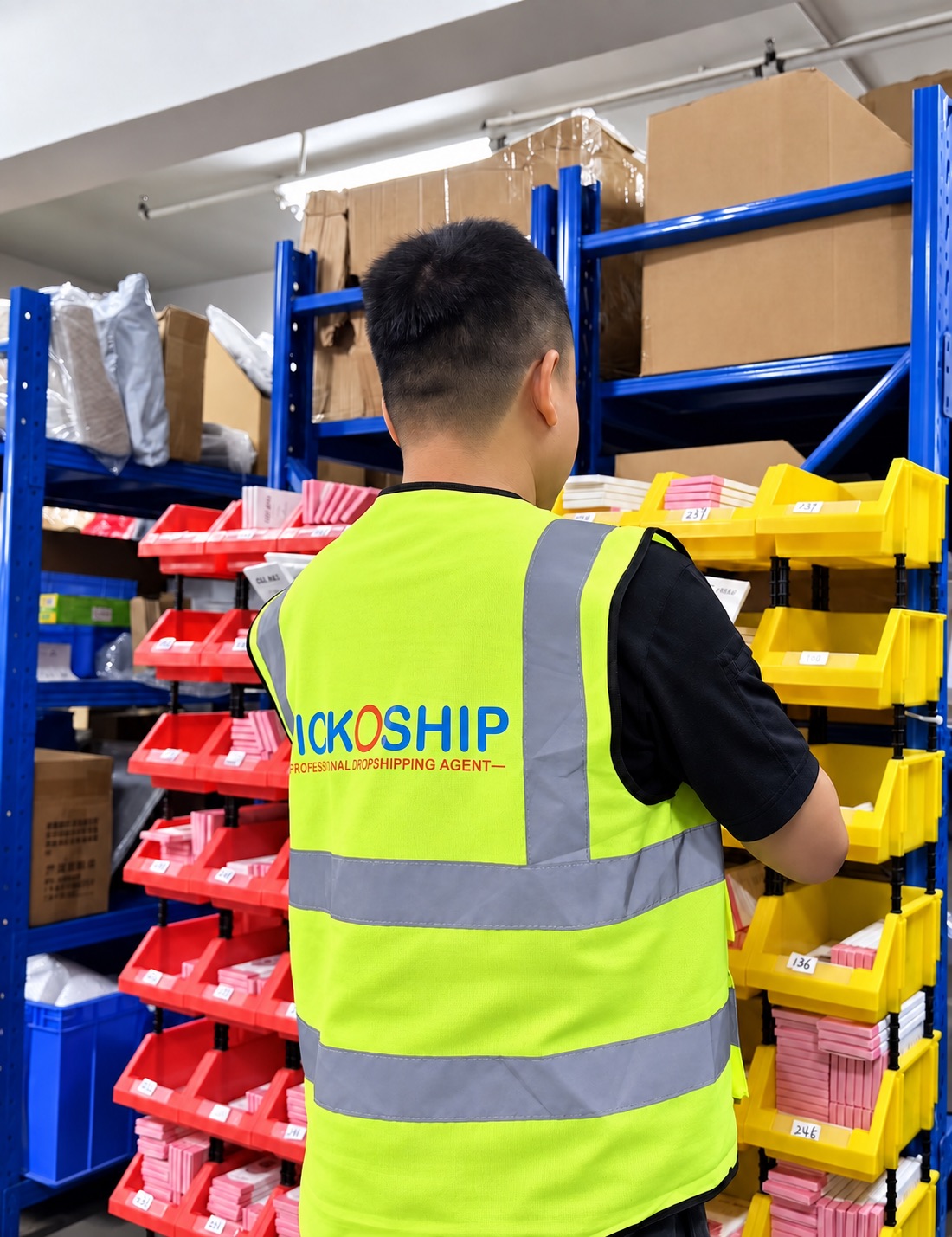
Preparing inventory and picking locations before peak-season promotions.
2. Check dispatch capacity before orders surge
If you are considering a new partner, use our guide to choosing a dropshipping supplier in China to compare business models and service scope. Then confirm these four points for your Q4 promotion:
- What daily volume can you commit to for our account during the promotion?
- What is the order cutoff, including the time zone?
- When does the carrier collect parcels?
- Who handles orders that miss the agreed dispatch window?
Distinguish stock shortages from warehouse backlogs. Additional packing staff cannot dispatch a product that has not arrived. Likewise, printing a tracking label does not prove that a parcel has been handed to the carrier.
PICKOSHIP can dispatch up to 15,000 orders per day during peak season, with day and night shifts supporting our China fulfillment operation. YunExpress collects from our warehouse twice daily—once in the afternoon and once in the evening.
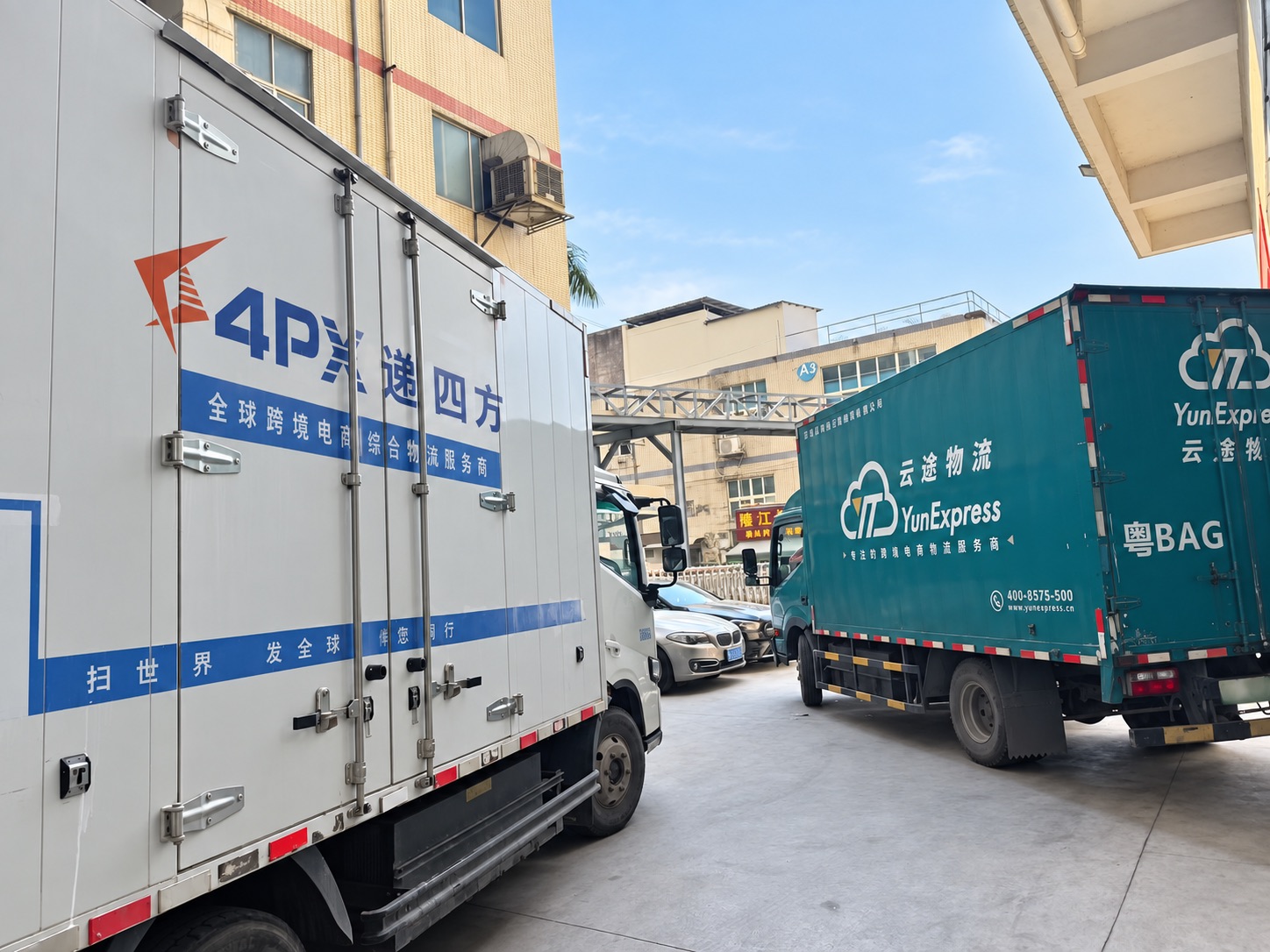
Carrier collections are an important part of daily dispatch planning.
The two collections support same-day packing and carrier handoff for eligible orders. Before a promotion, agree on your daily order allocation, cutoff, stock readiness, payment clearance or approved terms, and special handling requirements. Confirm the dispatch target in your written fulfillment plan; the warehouse’s total capacity is shared across accounts.
During a campaign, track the number and age of unshipped orders alongside sales. If the backlog exceeds the agreed processing window, resolve the bottleneck and adjust promotion volume before accepting more orders than you can fulfill as promised.

Coordinating inventory, order processing, and shipping arrangements.
3. Plan cash around actual payment dates
Build a weekly cash forecast through January:
Closing cash = opening cash + expected funds received − payments due.
Include supplier deposits and balances, fulfillment and shipping payments, advertising, platform charges, refunds, and replacement orders. Use expected payout dates rather than the dates customers place orders. Do not count fees twice if they are already deducted from payouts.
Test a slower-payout scenario and a higher-shipping-cost scenario. Set a minimum cash balance that covers your obligations; use it to decide when to reduce advertising, stagger replenishment, or defer a new product launch.
PICKOSHIP can offer payment terms to eligible sellers after review. Approved terms can help bridge the gap between outgoing payments and incoming sales proceeds. The covered charges, credit limit, and payment schedule depend on the agreed arrangement. Payment terms change when money is due; they do not remove the cost.
4. Recalculate profit when shipping costs change
Treat shipping as a cost that needs monitoring throughout Q4. Before accepting a quote, confirm the destination, service, billable weight, included charges, validity period, and which date determines the applicable rate.
Carriers publish changing surcharge arrangements. For example, UPS describes notice-based peak-season surcharges for international air freight. Those terms are specific to its services; they are not YunExpress parcel rates.
Here is an illustrative order—not a carrier quote or customer result:
| Per-order amount | Base case | Shipping +$2 | Shipping +$4 |
|---|---|---|---|
| Net sales revenue | $40 | $40 | $40 |
| Product cost | $12 | $12 | $12 |
| Fulfillment and packaging | $2 | $2 | $2 |
| Payment fees | $1.50 | $1.50 | $1.50 |
| Expected refund/replacement cost | $1.50 | $1.50 | $1.50 |
| Advertising | $12 | $12 | $12 |
| Shipping | $6 | $8 | $10 |
| Contribution after advertising | $5 | $3 | $1 |
A $2 shipping increase reduces this order’s contribution by 40%. These figures exclude fixed operating costs and income tax. Add seller-paid duties and other applicable costs to your own calculation.
At the $8 shipping rate, advertising must cost no more than $11 per order to retain a $4 contribution. An advertising target that worked before the increase may no longer work afterward.
Review rates at least weekly during peak season and whenever a price-change notice arrives. Recalculate by SKU and destination before changing discounts, shipping charges, or acquisition budgets.
5. Prepare alternative routes without weakening delivery promises
PICKOSHIP works with long-term logistics partners and compares alternatives when rates change. In our operating experience, some smaller providers adjust particular routes less frequently, which can help with cost planning. Rate stability still needs to be checked for the specific service and quote period.
Choose on service performance as well as price: compare transit reliability, tracking, customs arrangements, capacity, total charges, and claims handling. Test an alternative before moving substantial volume to it. If a cheaper service is slower, update the delivery promise before offering it to customers.
Pre-stocking in China can reduce procurement delays, but it does not lock future international freight rates. Stock in a destination-country warehouse changes the cost structure again: include inbound freight, storage, local fulfillment, and unsold-stock risk when comparing options.
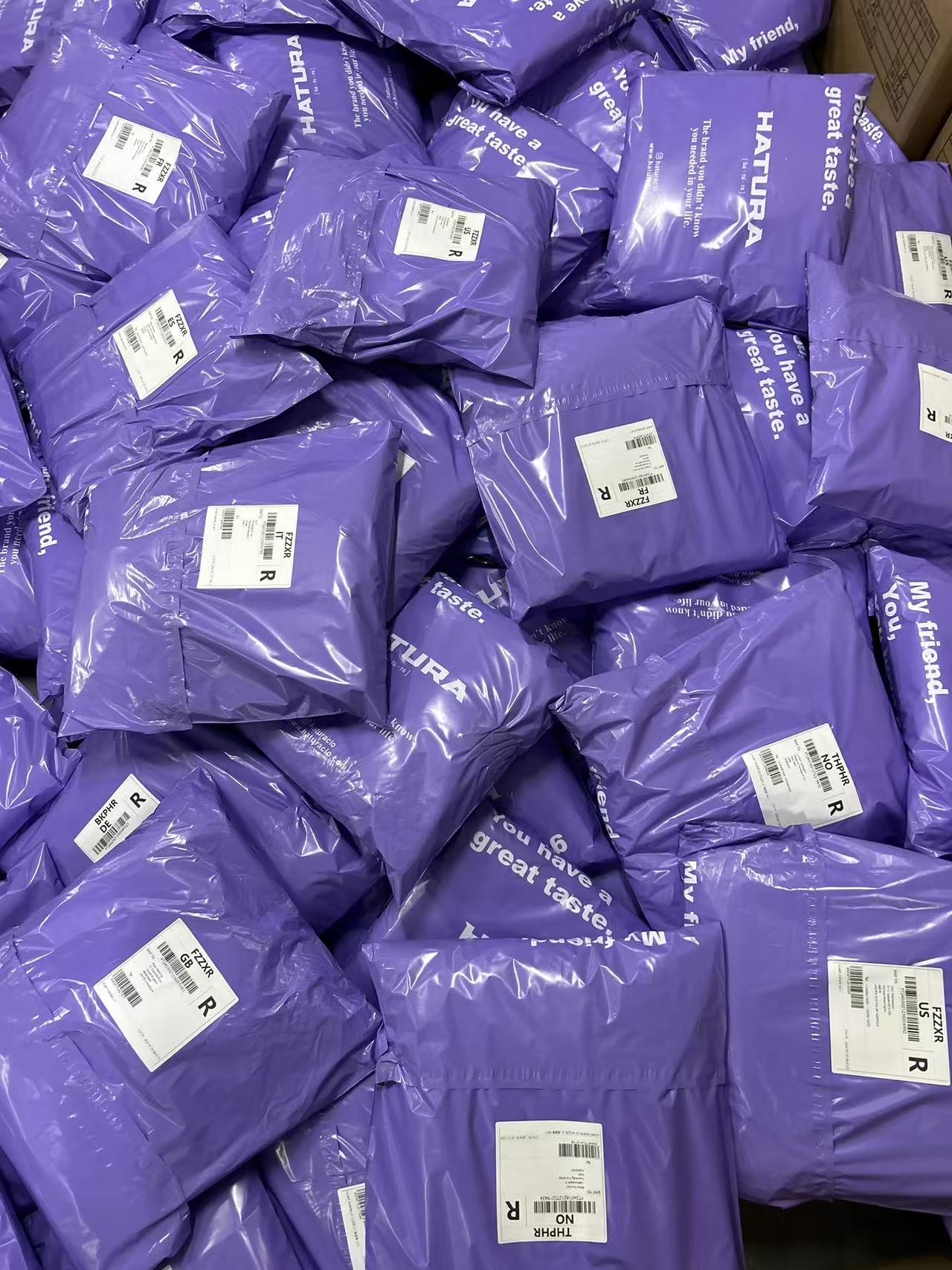
Small parcels packed with shipping labels attached.
Your next steps before a Q4 promotion
- Confirm sellable stock and replenishment dates for the products you intend to promote.
- Agree on daily processing capacity, order cutoffs, and carrier collections.
- Check your lowest projected cash balance under a stressed scenario.
- Reprice your leading SKU-and-destination combinations using current shipping quotes.
- Prepare delay messages, route-specific delivery cutoffs, and a January returns budget.
Planning a Q4 order increase? Discuss your fulfillment plan with PICKOSHIP. Share your core SKUs, destinations, normal and expected peak daily orders, and promotion dates so we can discuss inventory, dispatch capacity, shipping options, and payment-term eligibility.
Need numbers for your route?
Turn the research into a fulfillment plan.
Share your products, target markets, monthly order volume, and delivery target. We will identify which sourcing, inventory, and fulfillment questions need a verified quote.
No commitment. Route availability, pricing, and delivery times are confirmed in a written quote.